Best Foods for HIV and AIDS Patients to Improve & Maintain Health
Test4FreeHIV, a division of Glades Medical Centers
Good nutrition is one of the most powerful tools people living with HIV and AIDS have to protect their health. What you eat directly affects your immune system, your energy, your weight, and how well your body responds to medical treatment for HIV AIDS. A balanced, nutrient-rich diet helps the body fight infection, maintain a healthy weight, and manage the side effects of medication. This guide from Test4FreeHIV, a division of Glades Medical Centers, breaks down the best foods to eat and simple habits that support a stronger, healthier life.

Summary
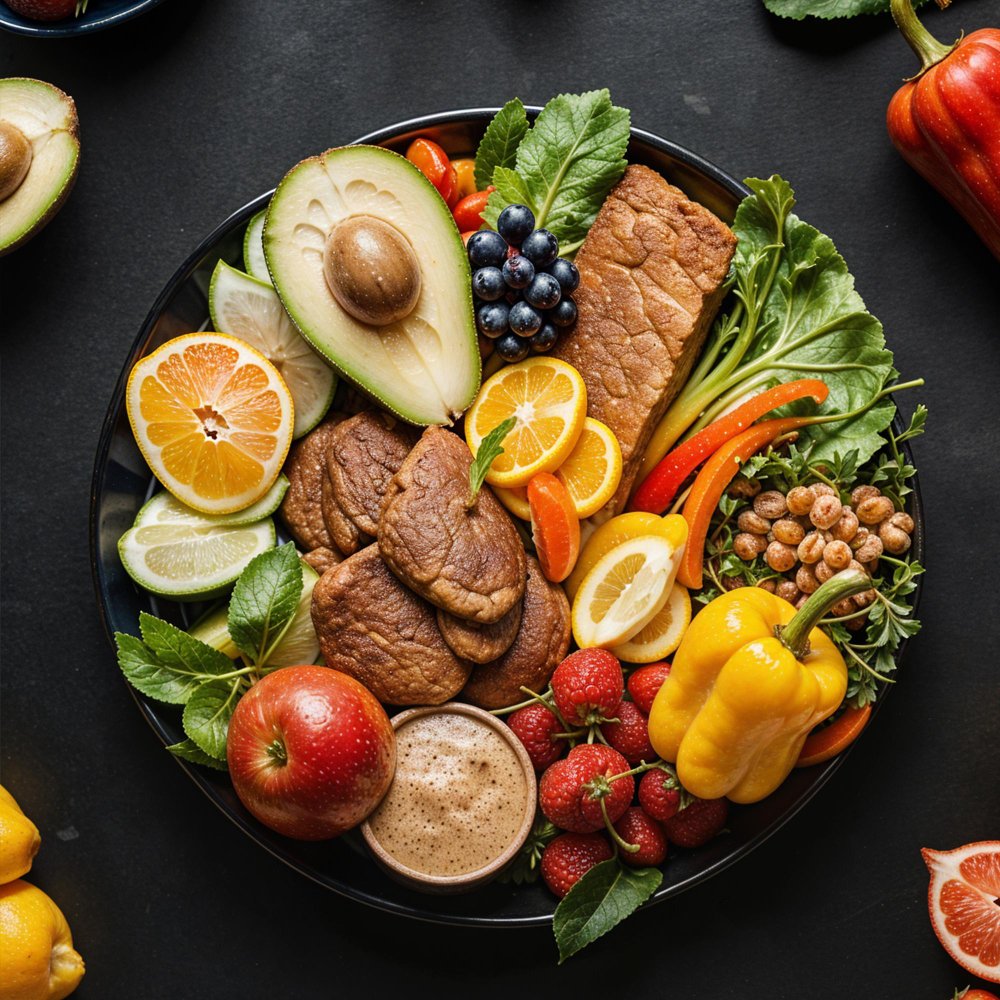
- Protein builds and repairs muscle and supports immune cells — aim for lean meats, poultry, fish, eggs, beans, and dairy.
- Complex carbohydrates like whole grains, fruits, and vegetables provide steady energy and fiber.
- Healthy fats from nuts, seeds, avocado, and olive oil support calorie needs and nutrient absorption.
- Fruits and vegetables deliver the vitamins, minerals, and antioxidants that strengthen immunity.
- Hydration is essential — water helps manage medications, digestion, and fatigue.
- Food and water safety reduces the risk of infection when the immune system is weakened.
- Consistent care matters — nutrition works best alongside ongoing HIV monitoring and treatment.
Why Nutrition Matters for People Living with HIV
HIV and its treatment place extra demands on the body. The virus can increase the amount of energy the body uses, reduce appetite, and interfere with how nutrients are absorbed. Over time, this can lead to unintended weight loss, muscle wasting, and a weaker immune response. Eating well helps counter these effects by keeping the body nourished, supporting the immune system, and giving medications the best chance to work. Nutrition does not replace medication, but it is a vital partner to medical treatment for HIV AIDS and to long-term wellness.

Lean Protein: Building Blocks for Immunity
Protein helps repair tissue, build muscle, and produce the immune cells the body relies on to fight infection. People living with HIV often need more protein than the average person. Good sources include:
- Skinless chicken and turkey
- Fish such as salmon, tuna, and sardines
- Eggs and low-fat dairy like milk, yogurt, and cheese
- Beans, lentils, tofu, and other plant-based proteins
- Lean cuts of beef or pork in moderation
Whole Grains and Complex Carbohydrates for Energy
Carbohydrates are the body’s main source of fuel. Whole, unprocessed options release energy slowly and add fiber, which supports digestion and helps manage cholesterol and blood sugar. Choose brown rice, whole-grain bread and pasta, oats, quinoa, and starchy vegetables like sweet potatoes. Limit refined sugars and heavily processed snacks, which offer energy but little nutrition.
Fruits and Vegetables: Vitamins and Antioxidants
Colorful fruits and vegetables are packed with vitamins A and C, folate, and antioxidants that help protect cells and support the immune system. Aim for a variety of colors each day — leafy greens, berries, citrus, carrots, bell peppers, and tomatoes. Wash all produce thoroughly, and when the immune system is compromised, cooked vegetables may be gentler and safer than raw.
Healthy Fats in Moderation
Fats provide concentrated energy, which can be helpful for anyone struggling to maintain weight. Focus on unsaturated, heart-friendly sources such as avocados, olive and canola oil, nuts, seeds, and fatty fish. Limit fried foods and saturated fats, especially for those managing cholesterol or heart health as part of their overall care.
Stay Hydrated
Water supports nearly every process in the body, from digestion to circulating nutrients and flushing out medication byproducts. Aim for eight to ten cups of fluids a day, and more during illness, fever, or hot weather. Water is best; limit sugary drinks, alcohol, and excess caffeine, which can contribute to dehydration.
Food and Water Safety
A weakened immune system is more vulnerable to foodborne illness, so safe food handling is especially important. Wash hands and surfaces often, cook meat, poultry, eggs, and seafood thoroughly, and avoid unpasteurized dairy or juices and raw or undercooked animal products. Keep hot foods hot and cold foods cold, and when traveling or unsure of water quality, choose bottled or boiled water.
Eating Well Through Treatment Side Effects
Some HIV medications can cause nausea, appetite changes, or an upset stomach. Eating small, frequent meals, choosing bland foods during nausea, and staying hydrated can all help. If appetite is low, nutrient-dense options like smoothies, nut butters, and shakes can add calories and protein without a large volume of food. Anyone experiencing ongoing side effects should speak with their care team — regular HIV monitoring in Miami allows providers to adjust treatment and nutrition guidance to each person’s needs.
Pairing Good Nutrition with Consistent Care
Food is powerful, but it works best as part of a complete care plan. Ongoing lab work and check-ups track how the immune system is responding, while prevention services help protect partners and the wider community. Test4FreeHIV offers anonymous HIV testing and connects patients to a dedicated HIV PrEP Clinic in Miami for those who want to prevent infection. For people already living with HIV, our team provides anonymous HIV treatment and continuous HIV monitoring in Miami so that nutrition, medication, and overall health stay on track together.
Get Tested, Get Treated — We’re Here to Help
Knowing your status is the first and most important step toward a long, healthy life. Early testing means earlier treatment, and today’s therapies allow people with HIV to live full, active lives while protecting those around them. Delaying testing or care gives the virus more time to weaken the immune system — but getting tested and starting treatment early changes that outcome dramatically. Good nutrition, consistent medical treatment for HIV AIDS, and regular monitoring work together to keep you strong.
Test4FreeHIV, a division of Glades Medical Centers, makes it easy to take that step. With multiple clinics throughout Miami-Dade County offering free HIV testing in Miami Dade County, HIV anonymous testing, and confidential treatment, help is close to home and stress-free. Our services are FREE and anonymous, so cost and privacy are never barriers to your health. If you or someone you care about needs anonymous HIV testing or anonymous HIV treatment, visit one of our Miami-Dade County locations today — because getting tested and treated is the surest way to protect your health and the health of your community.